
Case Study: Millfield School

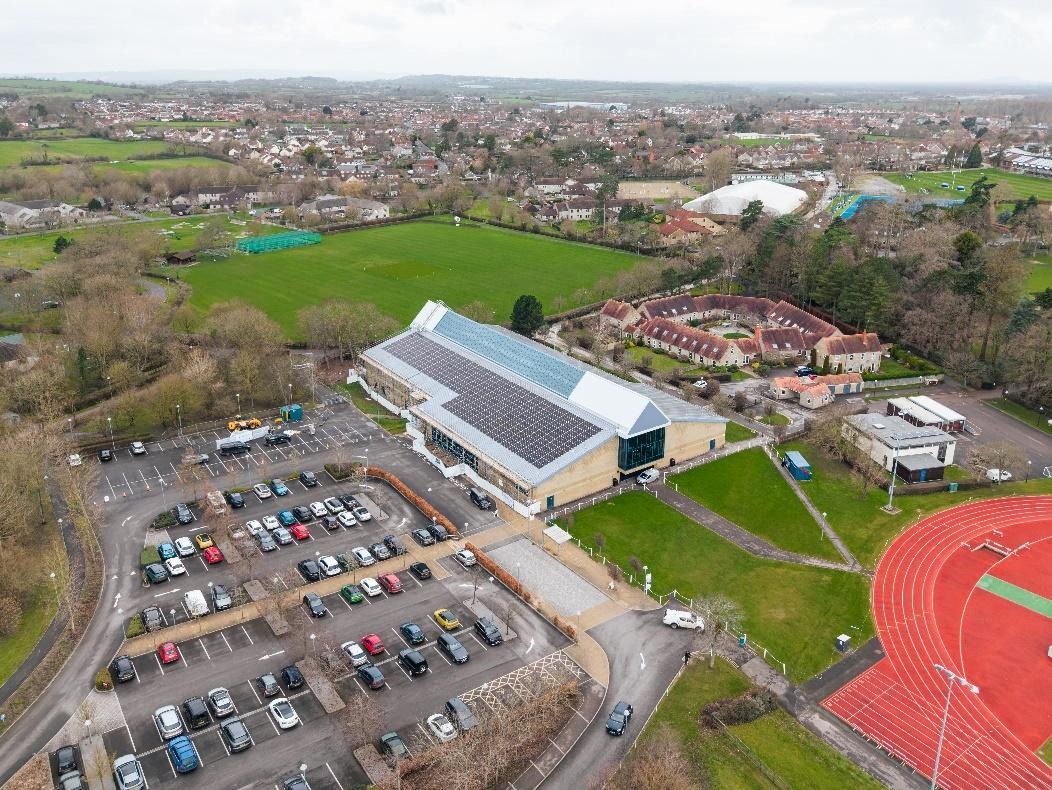
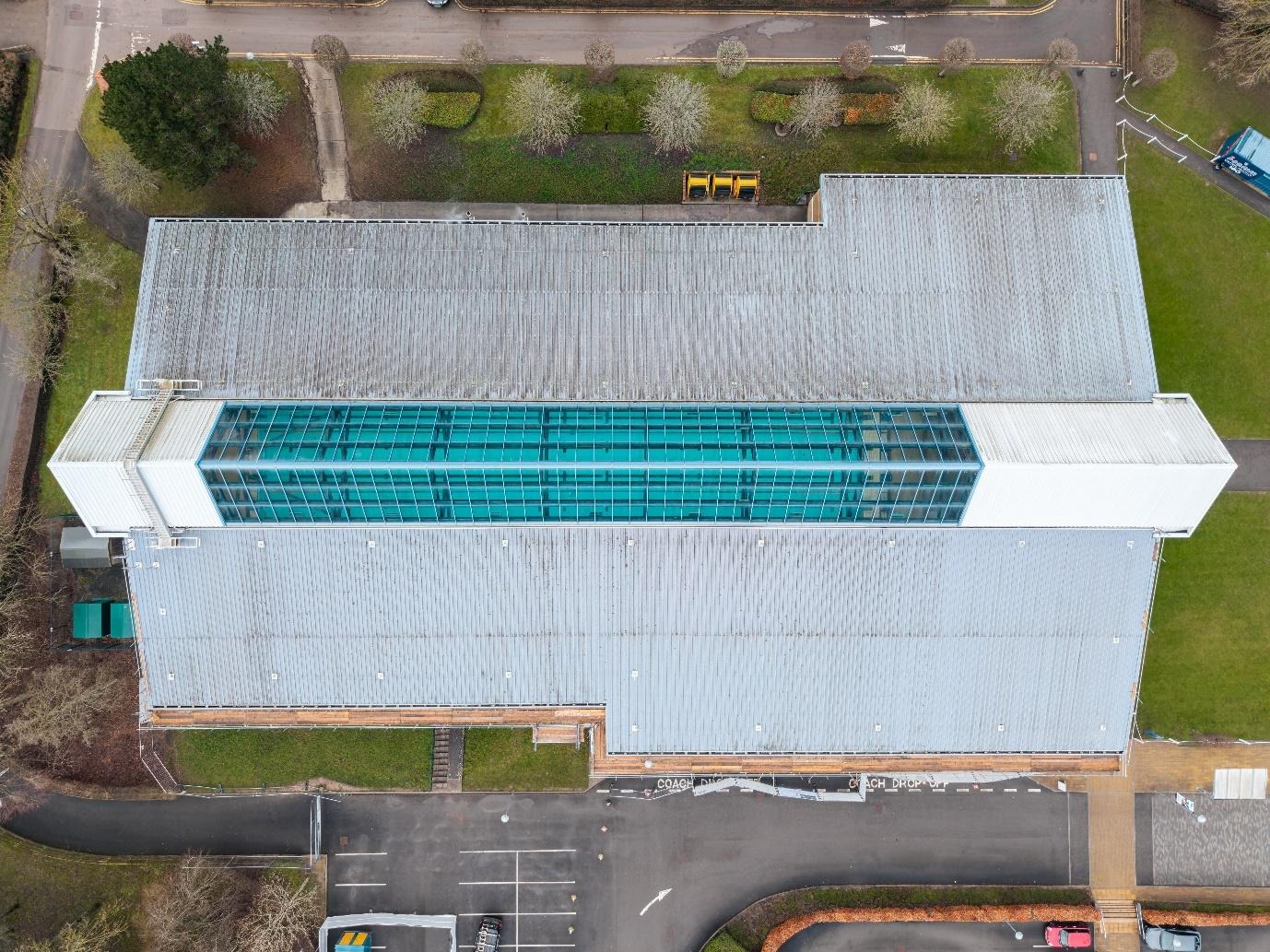
Millfield School, based in Street, Somerset, is a leading private School. Like many schools the size of Millfield, they face high and rising energy costs. Millfield has their own HV ringmain around the site making it very different to your standard application.
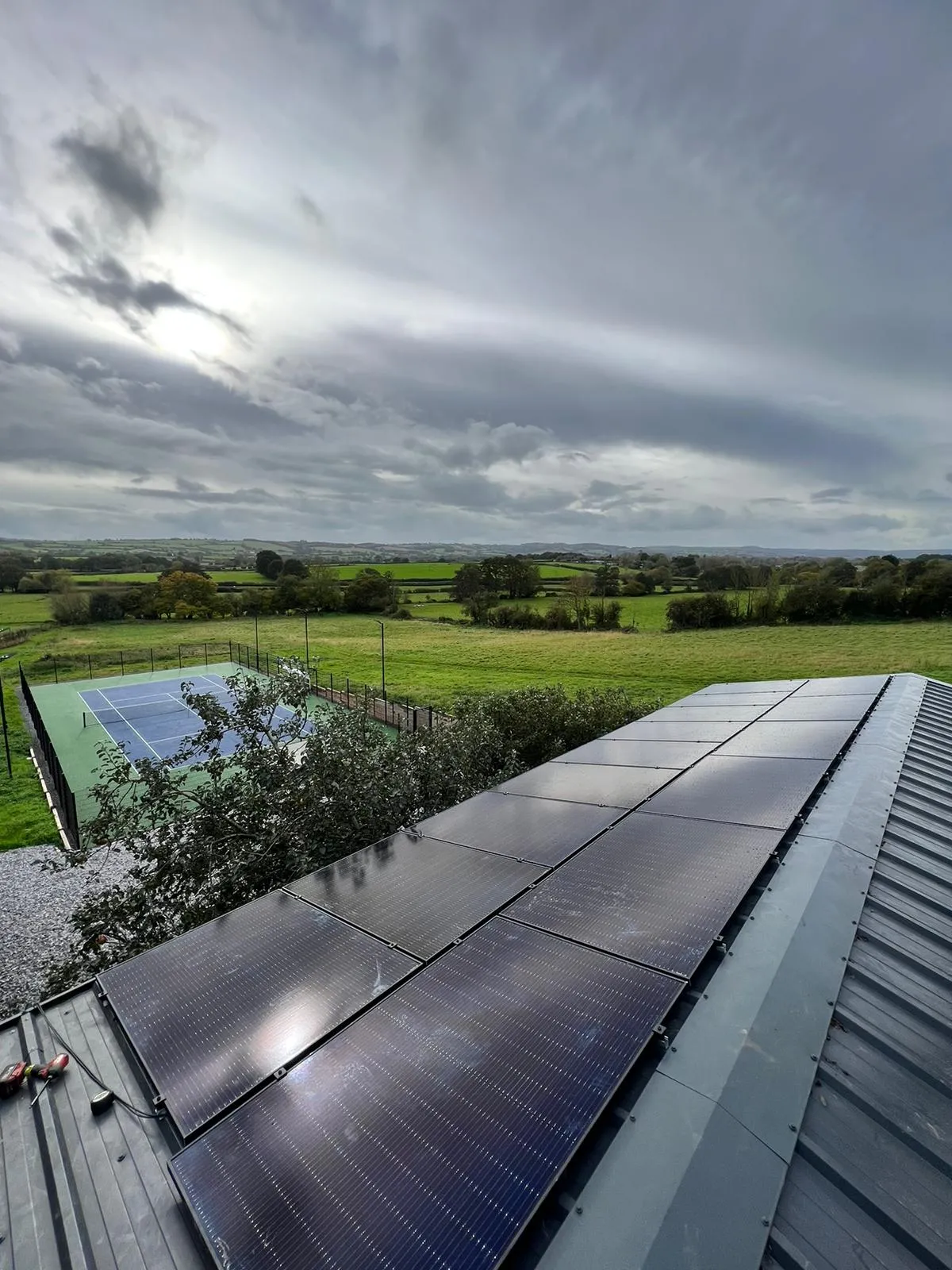
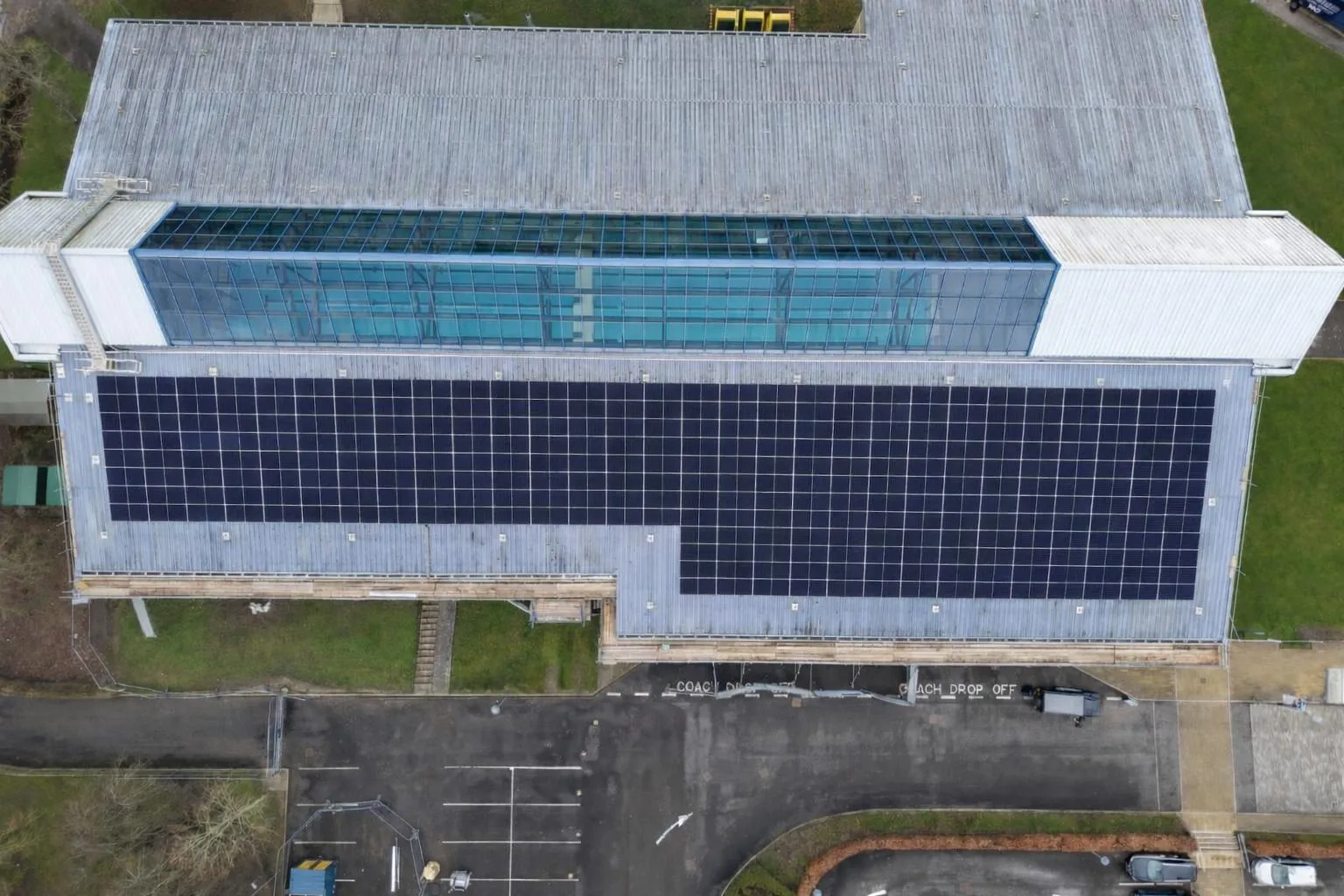
Millfield contacted us to tender for a 180KW solar pv system. They provided a specification for us to quote from and after the tender process, we were awarded the contract. We worked closely with Millfield School and their health and safety team to make sure we had everything on site, from welfare facilities to a safe, enclosed site. This was very important due to the school being operational throughout the installation period.
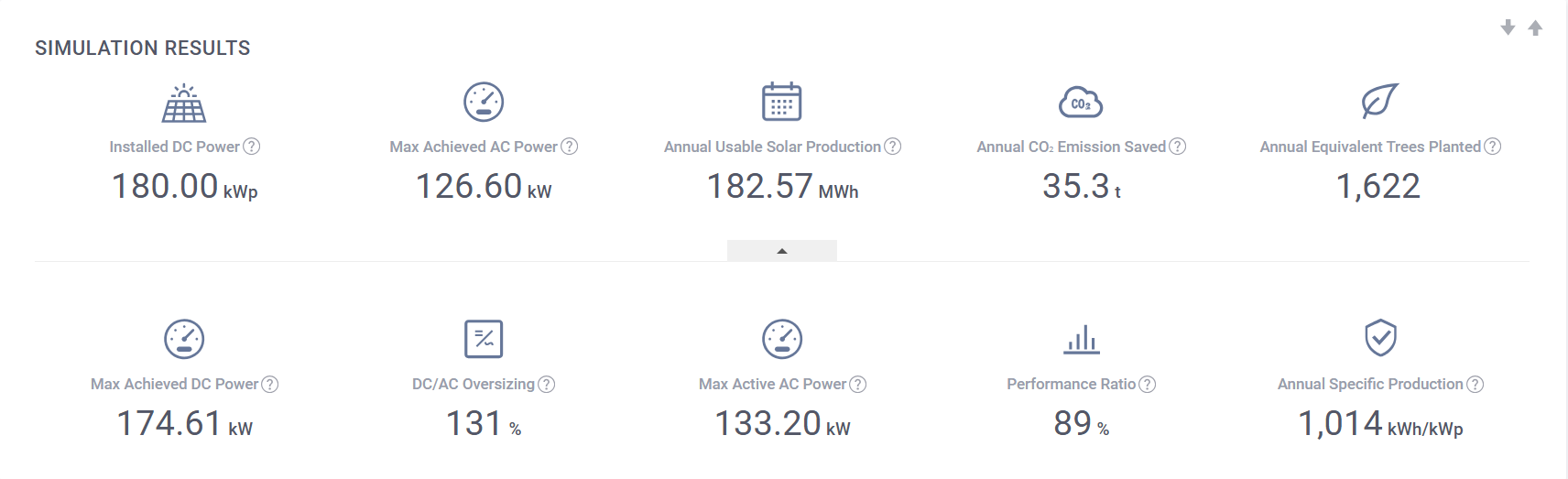
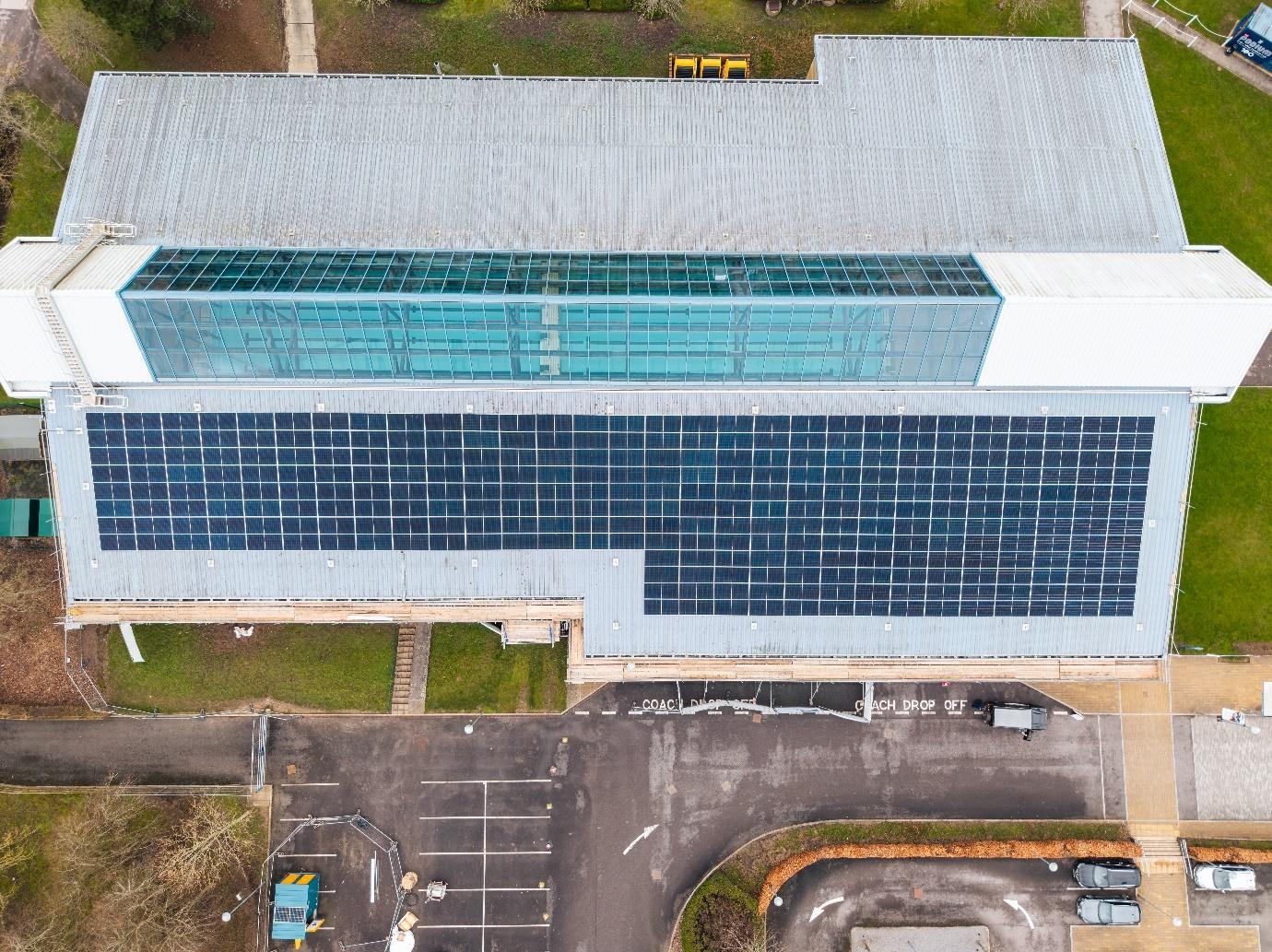
System Size 180 kWp
Panels X288 Trina s 625w Black Frame
Inverter X2 Solar Edge 66.6KW 3ph with Synergy Technology
Mounting System Roof-mounted, pitched trapezoidal sheet metal
Grid Connection Smart Export Guarantee (SEG) enabled
Battery Storage Not included
Installation Date Febuary 2026
The system is connected to the site’s three-phase supply, using SolarEdge Synergy architecture to maximise generation, monitor module-level performance, and future-proof the system for battery or EV integration. Arc fault protection is also provided by the optimisers, which was a huge reason for Millfield choosing SolarEdge.
Due to the bird presence on-site and safety considerations— the roof was identified as being at risk of possible intermittent shading and the building value was the reason for arc fault detection being a must. Shading can significantly reduce the efficiency of traditional string inverter systems, where one underperforming panel can affect the output of the entire string.
To mitigate this, the system was designed using SolarEdge power optimizers, with a 2:1 configuration, one optimizer managing every two solar panels. This setup strikes a balance between cost-efficiency and performance, allowing pairs of modules to operate more independently within the array.
Benefits of this configuration include:
Improved energy yield where partial shading occurs
Faster fault detection and maintenance through panel-pair level monitoring
Reduced system losses caused by soiling or bird-related obstruction
Lower optimizer cost per watt compared to 1:1 configurations
Arc Fault detection and 1volt per optimizer in the event of a shut down
By proactively addressing this environmental risk, the system ensures long-term efficiency and resilience.
In addition to performance gains, the SolarEdge system includes advanced safety features critical in commercial and agricultural installations:
Automatic DC voltage shutdown: In the event of inverter shutdown, grid disconnection, or emergency, the optimisers reduce DC voltage at the panel level to a safe level (typically <1V per panel), significantly lowering fire risk.
Built-in arc fault detection: The system includes integrated arc fault protection to help prevent electrical arcing and identify faults early.
Rapid shutdown compliance: The system meets or exceeds current UK and international safety standards for rooftop PV installations on commercial properties.
These features add an extra layer of protection for site staff, emergency services, and insurance compliance, while maintaining high system performance over time.
Estimated Annual Generation 182,570 kWh (182.57 MWh/year)
Lifetime Bill Saving £1,328,825.00
CO₂ Savings 35.3 tonnes per year
System modelling included real-world derating for environmental impact and typical agricultural roof degradation factors.
Mounting: Pitched metal roof, structurally assessed and MCS compliant
Connection: G99-compliant grid connection with no reinforcement works
Monitoring: Full access to SolarEdge online portal with performance tracking and alerts
Timeline: Delivered early within budget with minimal disruption to on-site operations
Improved operational cost control in an energy intensive process environment
Estimated payback will be 2.3 years
Enhanced system reliability through the use of optimisers in a bird-heavy area
Infrastructure ready for future upgrades (EVs, storage, additional arrays)
The Millfield School installation demonstrates how smart design and environmental awareness can maximise solar output, even in challenging settings. By integrating module-level optimisation, the system avoids yield losses typically caused by birds, a common issue in all sectors.
We support educational clients in achieving cost savings and sustainability through practical, future-proof solar energy systems.
.webp)